Address
304 North Cardinal
St. Dorchester Center, MA 02124
Work Hours
Monday to Friday: 7AM - 7PM
Weekend: 10AM - 5PM
Address
304 North Cardinal
St. Dorchester Center, MA 02124
Work Hours
Monday to Friday: 7AM - 7PM
Weekend: 10AM - 5PM
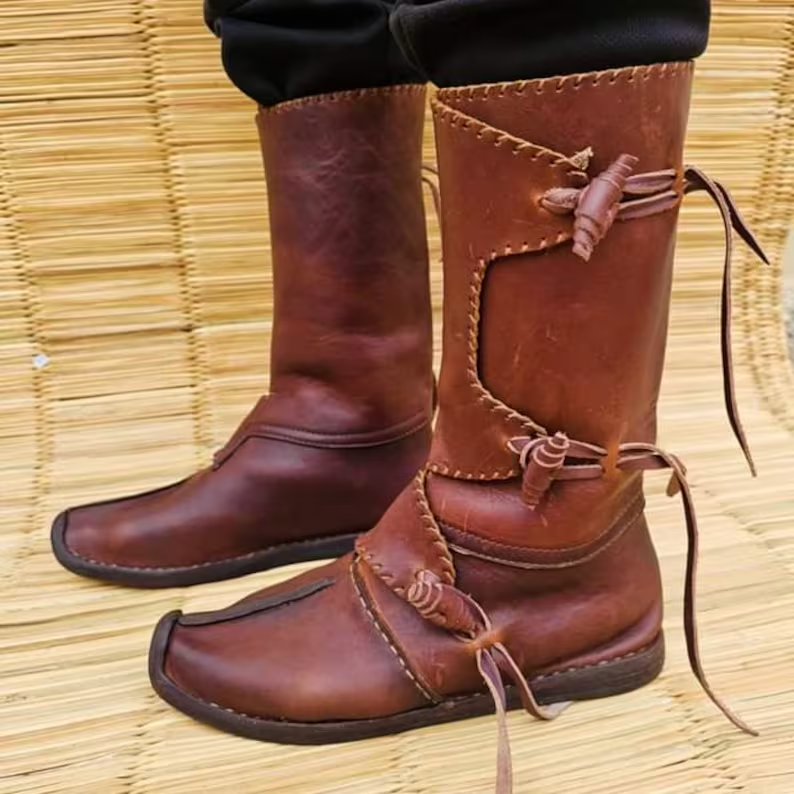
Viking shoes were an essential part of everyday life during the Viking Age. Unlike modern footwear produced in factories, Viking shoes were carefully handmade using natural materials and traditional techniques.
These simple yet durable shoes allowed Vikings to travel long distances, work outdoors, and explore new territories across Europe.
Today, historians and reenactors study these techniques to recreate authentic Viking footwear for historical events, museums, and cultural festivals.
The primary material used in Viking shoes was natural leather.
Leather was widely available, durable, and flexible, making it perfect for everyday footwear.
According to research from the
<a href=”https://www.nationalmuseet.dk/en” target=”_blank” rel=”noopener”>National Museum of Denmark</a>,
many Viking shoes were made using vegetable-tanned leather.
These materials provided strength while remaining comfortable for long walks.
The most common technique used by Viking shoemakers was called the turn shoe method.
Many authentic Viking shoes today are still made using this method.
Viking craftsmen used simple but effective tools to create their shoes.
Typical tools included:
These tools allowed artisans to create durable footwear using only basic equipment.
Many Viking shoes have been discovered by archaeologists across Northern Europe.
Artifacts preserved in the
<a href=”https://www.britishmuseum.org/collection” target=”_blank” rel=”noopener”>British Museum</a>
show that Viking leather craftsmanship was highly skilled.
Important discoveries were found in places such as:
These findings help historians understand how Vikings lived and worked.
Interest in Viking culture has grown rapidly in recent years. Historical reenactment events and Viking festivals have increased demand for authentic clothing and footwear.
Museums like the
<a href=”https://www.jorvikvikingcentre.co.uk/” target=”_blank” rel=”noopener”>Jorvik Viking Centre</a>
show realistic Viking environments and inspire modern craftsmen.
Because of this, many artisans today recreate Viking shoes using traditional techniques.
✔ authentic historical design
✔ natural leather materials
✔ comfortable for long events
✔ durable construction
✘ synthetic materials
✘ historically inaccurate design
✘ limited durability
For serious reenactors and collectors, handmade Viking shoes are the preferred choice.
Authentic Viking footwear is used by many communities:
These shoes allow people to experience Viking culture in a realistic way.
Yes. Viking shoes were traditionally handcrafted by skilled leatherworkers.
Most Viking shoes were made using the turn shoe method.
Yes. Natural leather becomes softer and adapts to the foot over time.
Viking shoes were simple yet highly effective pieces of footwear. Crafted from natural leather and stitched using traditional methods, they provided durability and flexibility for everyday Viking life.
Today, these historical designs continue to inspire craftsmen, reenactors, and historians who seek to preserve authentic Viking traditions.
Looking for authentic handmade Viking shoes?
Than cklik her: https://moroccancarpetsdecore.com/product/handmade-leather-boots/
Explore our collection of Viking footwear designed for reenactment, LARP, cosplay, and historical events.
Step into Viking history with traditional craftsmanship.

